 Pavan Kale
What robotics teaches you about building
Sample post
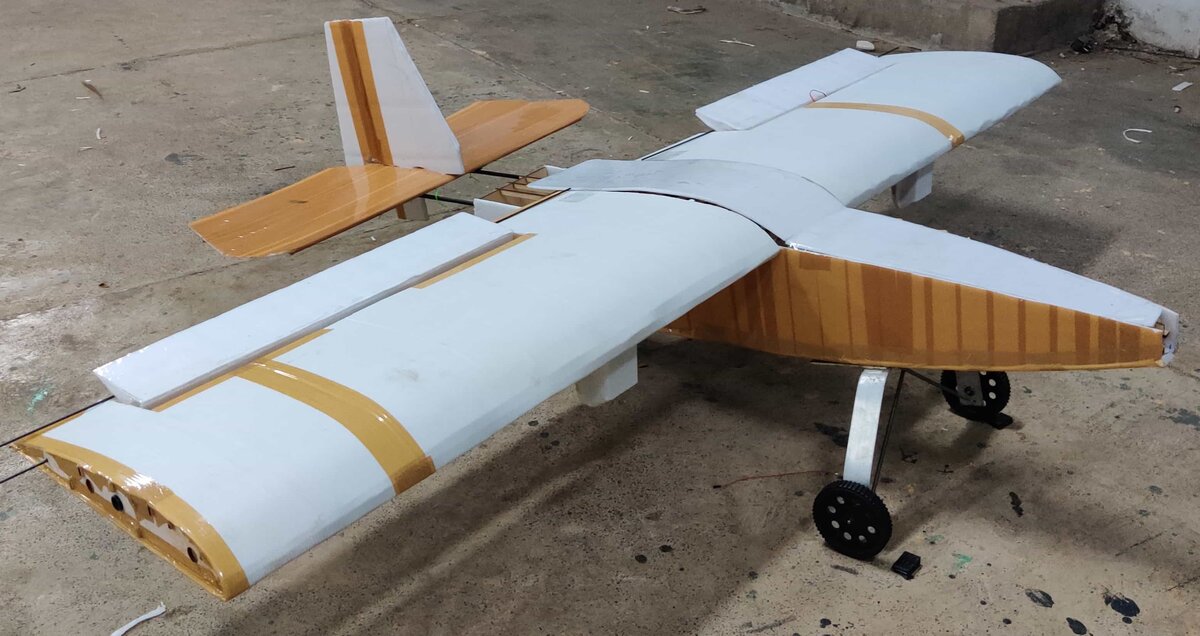
Robotics makes you pay attention to all the places where two systems meet. The code may look right, and the motor may work on the bench, but putting them together adds friction, timing, and a lot of loose connections.
Start by making one motion reliable. Test it without the rest of the machine running, then add the next piece and see what changes. A simple test you can repeat ten times teaches you more than a demo that works once for reasons you can’t explain.
The same approach helps when the prototype has to leave the bench. Take it somewhere you can set it down on a different surface or run it with a partly charged battery. A repeatable motion in a familiar room is a starting point. Testing in a second setting makes it easier to find the assumptions the design is still relying on.
Pass information across the interfaces
When two people are building different parts of the same machine, ask what each person expects to receive or observe. An electronics issue may look like a software issue if the software receives the wrong signal. Agree on what to measure at that boundary and give both people access to the result.
Do the same when handing a prototype over for testing. Label the version, say what changed, and describe the expected behavior. It lets the next person spend their attention on the test. It also makes it easier to compare results when the design changes again, which is often how an intermittent problem becomes understandable.