 Pavan Kale
Keeping the prototype simple
Sample post
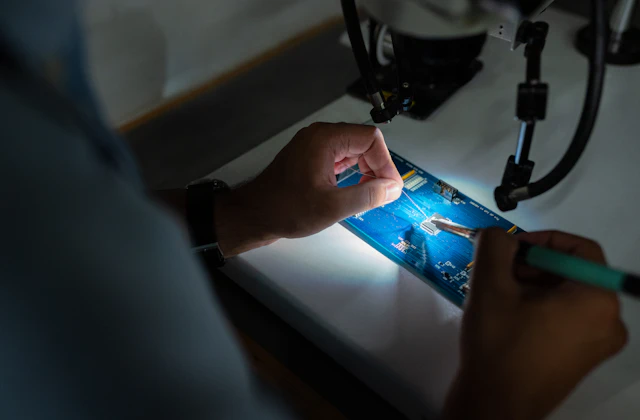
Before building a prototype, write down the question it should answer. A bottle that lights up can tell you whether a reminder is noticeable. A finished enclosure can wait until you’ve learned where the light should go and whether it’s easy to see.
Make the roughest version you can test safely and repeatably. Keep a record of what changed between versions. When something improves, that record helps you understand the change well enough to keep it.
Once a version answers the first question, give the next build a new one. A reminder that people notice in a quiet room still needs to be tested in a brighter workspace or when the bottle is farther away. That sequence gives you a reason to add complexity gradually. It also provides a way to stop when the additional work is no longer teaching you anything useful.
Choose what the next version should teach
A useful second prototype often looks almost like the first. If the question is whether a light is easier to notice near the cap, move the light and keep the rest of the test familiar. You can pay attention to the people using it because you already understand most of what the object does.
There are times when the right change is to invite somebody new to try the same version. The person who designed it knows where to look and may think the next step is obvious. Watching a fresh pair of eyes gives you a different kind of evidence. It can save a redesign when the material was fine and the real problem was that nobody knew what to do next.